
Category: CompTIA Network+
-
CompTIA A+ Core 1 Objective 2.2 -Networking – Common Networking Devices
-
CompTIA A+ 1201| 2.1 Ports & Protocols
-
CompTIA A+ 5.7 Core 1 – Troubleshooting Networks
-
CompTIA A+ 4.1 Core 1 – Cloud Models
-
Best Practices for Network Port Management

Network port(s) play a crucial role in computer networking, serving as communication channels between devices. However, open ports can pose significant security risks, potentially granting unauthorized access to threat actors. In the face of escalating cyber threats, the vulnerability of open network ports demands attention, as they are prime targets for exploitation by hackers. This Read more
-
Understanding DMARC: A Comprehensive Guide

Demystifying DMARC: A Complete Guide to Domain-based Message Authentication, Reporting, and Conformance DMARC, short for “Domain-based Message Authentication, Reporting, and Conformance,” is an email authentication, policy, and reporting protocol. It enhances the widely used SPF and DKIM protocols by linking to the sender’s domain name and providing policies for recipient handling of authentication failures. It Read more
-
What is CDMA? (Code-Division Multiple Access)

Understanding CDMA (Code-Division Multiple Access) Technology CDMA (Code-Division Multiple Access) is a multiplexing protocol used in second-generation (2G) and third-generation (3G) wireless communications. It allows multiple signals to occupy a single transmission channel, optimizing available bandwidth. CDMA technology is employed in ultra-high-frequency (UHF) cellular phone systems in the 800 megahertz (MHz) and 1.9 gigahertz (GHz) Read more
-
What is ATM = Asynchronous Transfer Mode

Introduction In the world of modern telecommunications, the need for efficient and reliable data transfer has become paramount. With the exponential growth of digital information and an ever-increasing demand for faster transmission speeds, a remarkable technology known as ATM (Asynchronous Transfer Mode) has emerged as a key player in the realm of telecommunications networks. By Read more
-
What is APIPA = Automatic Private Internet Protocol Addressing
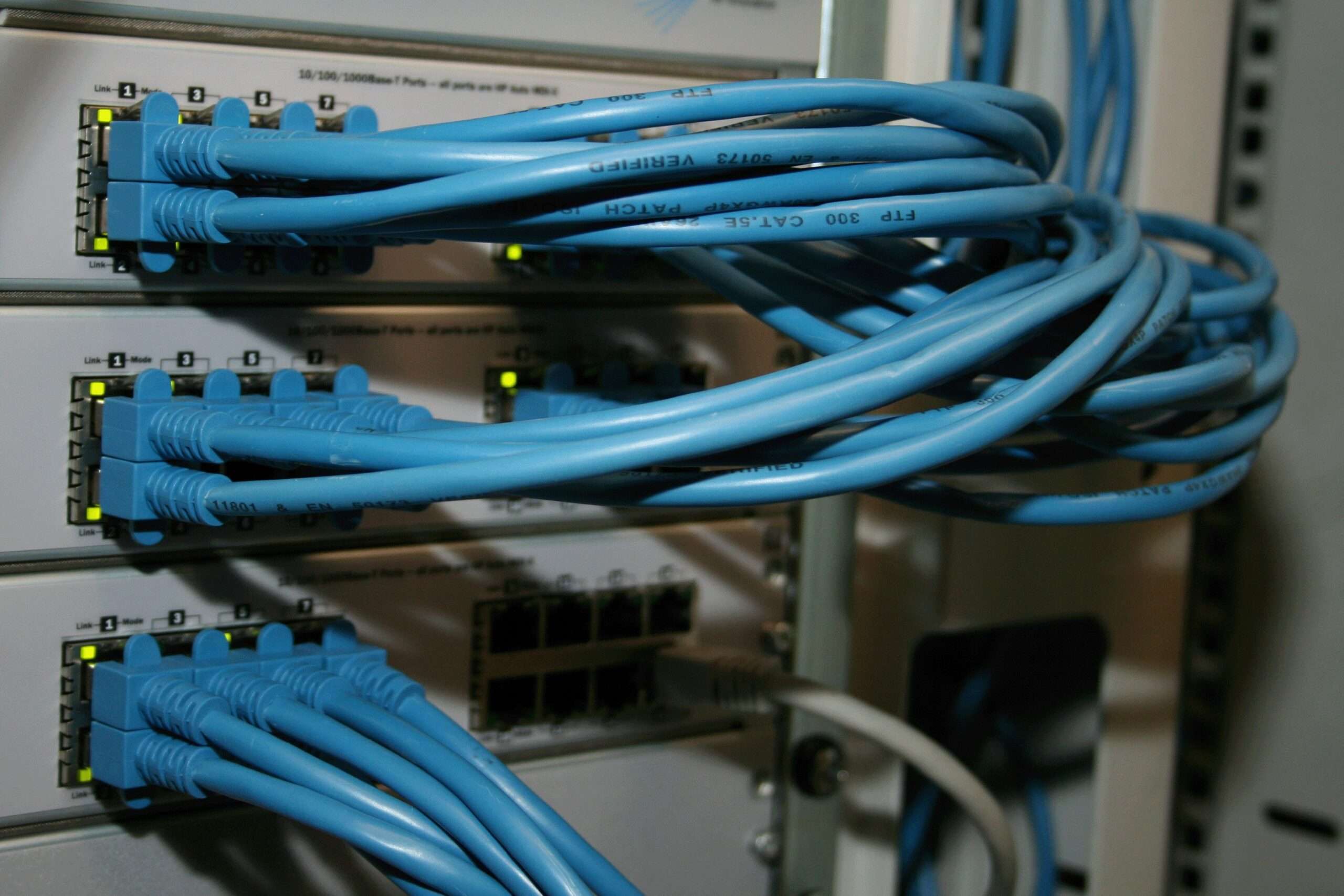
Introduction APIPA, In the realm of computer networks, every device that wishes to participate in data communication requires a unique identifier known as an IP (Internet Protocol) address. These addresses serve as the foundation for establishing connections and enabling seamless data transmission across the vast expanse of interconnected networks. Without IP addressing, our modern digital Read more
-
What is AAA = Authentication, Authorization, and Accounting?

Introduction to AAA (Authentication, Authorization, and Accounting) Defining the Trio: Authentication, Authorization, and Accounting Picture this: You’re standing at the entrance of a top-secret facility with a locked door blocking your way. How do you gain access? You need to prove your identity to ensure you’re not an impostor, right? That’s precisely what authentication is Read more